Featured Post

Free Books - Index

Reading remains a gateway to learning and personal development, making the study of books indispensable in contemporary society. “Are the ...

Showing posts with label USA. Show all posts

Free Books - Index

Reading remains a gateway to learning and personal development, making the study of books indispensable in contemporary society.

“Are the knowledgeable and the ignorant equal? In fact, none will take heed except the people of understanding.”(Qur’an; 39:9).

“The heart of him who has understanding seeks knowledge, but the mouths of fools feed on folly.”(Proverbs 15:14).

e-Books  [Eng & اردو]

https://SalaamOne.com/e-books

https://FreeBookPark.blogspot.com


Basic Concepts

  1. The Creator \ خالق کائنات (Link2, Link3, Link-4)
  2. The Alchemy of Authenticity: A Quest for Pure Prophecy (NEW)
  3. The Creation (Link 2, Link3. Link4)
  4. The Guidance  (Link 2Link3Link4)
  5. Muhammad (pbuh) The Last Messenger (Link-2) (Link3) (Link4)
  6. Quranic master Key ( أُمُّ الْكِتَابِ آیات محکمات)- 3:7 (Eng / Urdu)
  7. Quran: Multiple Translations:
  8. Quran Index - A to Z (قرآن – مضامین انڈکس)
  9. متفرق اردو مضامین انڈکس

Abraham’s Legacy- Islam

  1. Foundation – Hadith-Jibril [ام السننہ ]
  2. Quran and Bible
  3. Women in Islam 
  4. Metaphysics-Eschatology
  5. The Companions & Schism صحابہ اکرام ( رَّضِیَ اللّٰہُ عَنۡہُمۡ) ) (Link-1 , Link2 , Link-3)
  6. Islam
  7. Islamic Culture & Modern World (Link1, Link2)
  8. Islamic Society & Culture (F-Books) (Link2)
  9. Islamic Education System and Science (Link2)

Quranic Odyssey (Eng & Urdu) [قرآنی سفر کے مظاہر]

  1. قرآنی سفر کے مظاہر Quranic Odyssey (Eng & Urdu) Link2, Link3, Link4 Eng
  2. Quran & Intellect عقل , (Link2)
  3. Bida: Deviation – بدعة ضلالہ (Link1, Link2)
  4. Islamic Identity اسلام ، مسلم – شناخت (Link2)
  5. Muslim First (Eng) (Link2 & Link3)
  6. صرف مسلمان (اردو) (Link2)
  7. Revelations Theories: Wahi Ghair Matloo & Judaization انکشافات: وحی غیر متلو [Link-2 G-Doc], Link3)
  8. Riba (Usury/ Interest) Resolved - eBook  \ ربا  (سود), فیاٹ کنسی اورقرآن (Link2) 

Retrieval of Last Book

The Messenger will say, "My Lord, This Qur'an was abandoned by my people,"(Quran; 25:30)

  1. قرآن  مھجور(متروک العمل ) \ Quran Abandoned  (Translation)
  2. The Last Book Retrieval
  3.  The Last Book Retrieval (Urdu اردو ) Full(A4, 110 pages)\ اردو - آخری کتاب بازیافت - صفحات 110 
  4. Tejdeed, Revival رسالة التجديد (Web)
  5. Hadith 7 Principles for preservation and transmission
  6. (اردو)حدیث – حفاظت  اور ترسیل کے قرآن و سنت سے ماخوز مجوزہ بنیادی اصول  (Eng-1)
  7. Hadith Notes by AAK (Urdu) (Link2)
  8. Hadith Notes by AAK (English)  (Link2)
  9. ٖٖFull research on Quran, Hadith and Revival:
  10. Message of The Quran / By M.Asad-Pdf
  11. اسلام آسان دین -Islam is Easy

Legacy

  1. Islamic Democracy & Khilafat
  2. The Islamic State اسلامی ریاست

Interfaith

  1. God of Christians & Muslims?
  2. Prophet Abraham to Muhammad (pbuh)
  3. Impact of Islam or Christianity and West 
  4. Theory of Evolution-Bible-Quran
  5. Web: https://Bible-Christianity.blogspot.com
  6. Palestine, Bible & Quran
  7. Who is Jesus? (Link2) (Link3)
  8.   یسوع مسیح کون ؟ (Link2)
  9. Articles by AAK
  10. Web: Islamphobia.wordpress.com
  11. Dialogue مکالمہ
  12. Bida & Sects
  13. Islam & Non Muslims 
  14. Commonalities – Islam, Christianity & Judaism
  15. Misconceptions - Islam, Judaism & Christianity 

V-Religion and War

  1. Jihad Myth & Reality
  2. Takfir : Terror Deviant Doctrine 
  3. TTP – Takfiri Terrorists Taliban of Pakistan

Rise and Fall of Nations

  1. Rise and fall of Nations – Law of Quran قرآن کا قانون عروج و زوال اقوام
  2. What went Wrong? Excerpts Bernard Lewis
  3. مسلمانوں سے کیا غلطیاں ہوئیں ؟  - برنارڈ لیوس
  4. مسیحی صیہونیت" بدعت - امن کی دشمن" - \(e-Book link) \ Web link2
  5. Christian Zionism (e-Book)  \ Web link
  6. Lessons from History: Dr. Israr Ahmed 
  7. Bernard Lewis, Zionists and / Counter 
  8. Oded Yinon Plan: Greater Israel
  9. Wakeup-Muslims
  10. Free Books Download Link: https://bit.ly/BooksDwnld

E-Libraries Links

  1. Books of Sayyad Abul Ala Maudoodi[Link 2] \ Link3
  2. مولانا اشرف علی تھانوی کی تمام تحریریں 
  3. تصنیفات امام احمد رضا -لنک
  4. مفتی محمد شفیع کی کتابیں
  5.   (لنک 2)مفتی محمد تقی عثمانی کی ای-کتاب (لنک 1)
  6. ابوالکلام آزاد کی ای-کتاب ٓ  
  7. مولانا عبد الماجد دریابادی کی کتابیں
  8. Dr. Zakir Naik Books: (Link-1)\ (Link-2)
  9. :فرحت ہاشمی : https://www.farhathashmi.com/
  10. جاوید احمد غامدی کی کتب 
  11. https://www.muftitariqmasood.com/books.php
  12. Kitab-o-Sunnat Library - Urdu books
  13. Ideology of Pakistan / Two Nation Theory (دو قومی نظریہ – نظریہ پاکستان )
  14. Introduction to Islam: by Dr.Hamidullah اردو کتب
  15. Books & Articles of Maulana Wahiduddin Khan   
  16. Books by Dr. Israr Ahmed [Link-1 , Link 2, Link3]

Challenging Topics

  1. Exploring: "Reconstruction of Religious Thought in Islam" (by Dr.M.Iqbal)
  2. دو اسلام – ڈاکٹر غلام جیلانی برق Dual Islam by Dr. Burq
  3. Islam and Modernism: By Mufti Taqi Usmani
  4. Books by Fazlur Rehman
  5. Ahmed Deedat's Books
  6. Bida-1 تحقیقی جائزہ بدعة ،بدعت, بدا
  7. English:https://Quran1Book.wordpress.com
  8. Urdu: https://Quran1book.blogspot.com
  9. Post-Formative Developments in Islam:Extremism to Pacifism 
  10. Sectarianism : فرقہ واریت
  11. Shia & Islam شیعہ
  12. شیعہ اصلاحی تحاریک
  13. Schism in Islam شیعہ ازم
  14. قادیانیت کینسر
  15. Lost Islamic History: Reclaiming Muslim Civilisation from the Past By Firas Alkhateeb
  16. Islamic Scholars in modern age علماء اور دور جدید
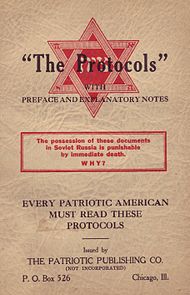
  17. The Protocols of the elders of Zion
  18. Pawns in the Game
  19. The Truth Revealed [Izhar-ul-Haq] By Molana Rehmat Ullah Keranwi
  20. Bible: Myths & Parallels in other religions By T. W. Doane
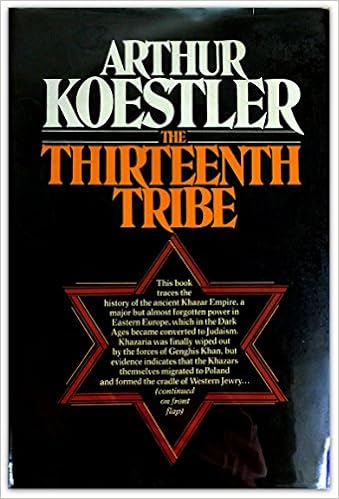
  21. The Thirteenth (Jewish) Tribe
  22. Philosophy- Islamic Thought Revivalist

اسلام - سوال و جواب معلومات

Free Books Links

  1. Kitabain
  2. Pdf Drive
  3. Project Gutenberg: 70,000Free Books
  4. CSP Books
  5. http://www.khalidzaheer.com
  6. https://OurDialogue.com/get-in-book-form/
  7. https://islamtomorrow.com/articles/default.asp
  8. http://www.monthly-renaissance.com/
  9. https://archive.org/details/Shk_Ahmed_Deedats_Books/50000_errors_in_the_Bible/
  10. http://www.MINHAJbooks.com/english/English/english-islamic-books.htm
  11. Free E Books: http://ebooks.rahnuma.org/religion/
  12. Free Books: https://freebookpark.blogspot.com/
  13. Islamic Books and Essays Urdu اسلامی کتب اور مضامین

Salaam One Network

https://SalaamOne.com/About

  1. https://SalaamOne.blogspot.com
  2. http://JustOneGod.blogspot.com
  3. http://FreeBookpark.blogspot.com
  4. https://Quran1book.blogspot.com (Urdu)
  5. https://Quran1book.wordpress.com (Eng)
  6. https://QuranSubjects.blogspot.com (Urdu)
  7. https://QuransSbjects.wordpress.com (Eng)
  8. http://Peace-Forum.blogspot.com
  9. http://FaithForum.Wordpress.Com
  10. http://Bible-Christianity.blogspot.com
  11. http://WomenFolks.blogspot.com
  12. http://Islamphobia.Wordpress.com
  13. http://Pakistan-Posts.blogspot.com
  14. http://Endeavour-Peace.page.tl
  15. http://AftabKhan-net.blogspot.com
  16. http://aftabkhan-net.page.tl

MAGAZINES:

  1. https://flipboard.com/@aftabkhaan

SOCIAL MEDIA:

  1. http://Twitter.com/Peace_Forum
  2. https://www.facebook.com/QuranSubject 
  3. https://www.facebook.com/IslamiRevival 
  4. https://www.facebook.com/Salaam1Pakistan 
  5. Twitter Ahkam Al Quran احکام القرآن (@QuranAhkam) 

VIDEO CHANNELS:

  1. https://www.youtube.com/c/PeaceForum
  2. http://www.Dailymotion.com/Peace-Forum
  3. Islamic Revival تجديد الإسلام https://www.youtube.com/channel/UC4JIX3YTQ3I7vXRE7QTrHrg 
  4. @islamicrevival9656

eBooks Box: http://goo.gl/xmxPP


Free eBooks | First Regional Library

Why read books?

The study of books, both in print and e-book form, is crucial in enriching our minds and fostering critical thinking. Reading allows access to a vast array of knowledge from diverse authors and eras, contributing to personal growth and understanding of the world. Neglecting reading, particularly in the digital age, hampers the development of an informed society. Cultivating the habit of reading both traditional and e-books is essential.

Reading scholarly analyses of religious texts offers deeper, nuanced understandings of sacred scriptures, helping to avoid biased misinterpretations and manipulation. This engagement promotes religious literacy and counters deception, fostering a personal connection to faith.

E-books provide numerous benefits, including portability, accessibility, adjustable text size, and multimedia elements. They are cost-effective, save space, reduce environmental impact, and offer instant updates and privacy. Their global accessibility makes them a convenient choice for modern readers.

As stated in the Qur’an:

“Are the knowledgeable and the ignorant equal? In fact, none will take heed except the people of understanding.”(Qur’an; 39:9).

Similarly, the Bible states:

“The heart of him who has understanding seeks knowledge, but the mouths of fools feed on folly.”(Proverbs 15:14).

Overall, reading remains a gateway to learning and personal development, making the study of books indispensable in contemporary society.

برقی / ڈیجیٹل کتب اور مضامین 
کتابوں کا مطالعہ، 'پرنٹ' اور 'ای بک/ ڈیجیٹل' دونوں شکلوں میں، ہمارے ذہنوں کو تقویت دینے اور تنقیدی سوچ کو فروغ دینے میں بہت اہم ہے۔ پڑھنا متنوع مصنفین اور ادوار کے علم کی ایک وسیع صف تک رسائی کی اجازت دیتا ہے، جس سے ذاتی ترقی اور دنیا کو سمجھنے میں مدد ملتی ہے۔ پڑھنے کو نظر انداز کرنا، خاص طور پر ڈیجیٹل دور میں، باخبر معاشرے کی ترقی میں رکاوٹ ہے۔ روایتی اور ای کتابیں دونوں پڑھنے کی عادت پیدا کرنا ضروری ہے۔
مذہبی متون کے علمی تجزیوں کو پڑھنے سے مقدس کتب کے بارے میں گہرا، باریک بینی فہم ملتا ہے، متعصب غلط تشریحات اور ہیرا پھیری سے بچنے میں مدد ملتی ہے۔ یہ مشغولیت مذہبی خواندگی کو فروغ دیتی ہے اور دھوکہ دہی کا مقابلہ کرتی ہے، ایمان سے ذاتی تعلق کو فروغ دیتی ہے۔

ای/ ڈیجیٹل کتابیں متعدد فوائد فراہم کرتی ہیں، بشمول پورٹیبلٹی (portability)، رسائی (reach)، ایڈجسٹ ٹیکسٹ سائز، اور ملٹی میڈیا عناصر۔ وہ لاگت سے موثر ہیں، جگہ بچاتے ہیں، ماحولیاتی اثرات کو کم کرتے ہیں، اور فوری اپ ڈیٹس اور رازداری پیش کرتے ہیں۔ ان کی عالمی رسائی انہیں جدید قارئین کے لیے ایک آسان انتخاب بناتی ہے۔
جیسا کہ قران میں ہے:
"کیا علم والے اور جاہل برابر ہیں؟ درحقیقت عقل والوں کے سوا کوئی نصیحت نہیں کرے گا۔‘‘ (قرآن، 39:9)۔
اسی طرح، بائبل بیان کرتی ہے:
’’سمجھ رکھنے والے کا دل علم کی تلاش میں رہتا ہے، لیکن احمقوں کے منہ حماقت پر ہی کھاتے ہیں۔‘‘ (امثال 15:14)
مجموعی طور پر، پڑھنا سیکھنے اور ذاتی ترقی کا ایک گیٹ وے (gateway) بنی ہوئی ہے، جس سے کتابوں کا مطالعہ عصری معاشرے میں ناگزیر ہے۔
مفت ای کتابیں از AAK [Eng & اردو]: https://SalaamOne.com/e-books


 SalaamOne.Com سلام 
علم اور افہام و تفہیم کے لئے [سلام SalaamOne]  ایک غیر منافع بخش ای فورم ہے، جو علم کے زریعہ انسانیت کو امن کے قریب لانے کی ایک کوشش ہے .اس فورم کو آفتاب خان نے منظم کیا ہے. تحقیقی کام بلاگز، ویب سائٹ، سوشل میڈیا، میگزین، ویڈیو چننل اور برقی کتابوں کی صورت میں دستیاب ہے. اس Index - انڈیکس  پر منتخب پوسٹس کی مختصر لسٹ ہے ، مزید تفصیلات کے لیے "Search", Categories, Tabs" پر تلاش کریں -   نیٹ ورک  کو اب تک لاکھوں افراد وزٹ کر چکے ہیں, مزید تفصیلات .....

تفکر ، تحقیق و تجزیہ

  1. صیہونی مسیحیت Christian Zionism: پروٹسٹنٹ عیسائیت کے اندر سب سے بڑی، سب سے زیادہ متنازع اور سب سے زیادہ تباہ کن تحریک ہے- یہ مشرق وسطی میں کشیدگی کو برقرار رکھنے، اسرائیلی کے تمييز عنصريapartheid، استعمارپسندانہ ایجنڈا  اور اسرائیل اور فلسطینیوں کے درمیان امن کے امکانات کے عمل کوکمزورکرنے میں بنیادی طور پر ذمہ دارہے-امن عالم کے لیے یہ تحریک سب سے بڑا خطرہ ہے>>> صیہونی مسیحیت...
  2.  خطبات اقبال – اسلام ، تفکر کا انداز جدید
  3. اقوام کے عروج و زوال کا قانون اور قرآن
  4. اسلامی دنیا کی تباہی کا منصوبہ – برنارڈ لوئس پلان 
  5. جاگو جاگو جاگو امت مسلمہ
  6. مسلمانوں کا نظریاتی اور فکری کنفیوژن اور حل
  7. غیر مسلم معاشرے میں مسلمان
  8. دورجدید میں اسلامی تفکر
  9. عقل مذہب
  10. پاکستان- چلینجز اور راه حل 
  11. پاکستان – مسائل کی دلدل اور ترقی کا راستہ 
  12. دین اسلام کے نفاذ کی اسٹریٹجی 
  13. دہشت گردی: قومی بیانیہ ’’پیغام پاکستان‘‘
  14. اسلامی ریاست میں تصور اقامتِ دین  
  15. اسلام، جمہوریت اور کفر: تحقیقی جائزہ
  16. جمہوریت اورخلافت : تحقیقی جائزہ   
  17. ولایت فقه
  18. پاکستانی ’نیم جمہوریت‘ اور دنیا میں جمہوریت پر کم ہوتا اعتماد 
  19. ووٹ کی شرعی حیثیت
  20. جہاد اور فساد – تحقیقی جائزہ:  
  21. میلاد النبی ﷺ کی شرعی حیثیت
  22. مسلمانوں اور غیر مسلمانوں کے تعلقات 
  23. جمود
  24. درس نظامی کی تجدید نو
  25. نقاب ، حجاب
  26. علم حدیث , فرقہ واریت اورقران – تحقیقی مضامین 
  27. ختم نبوت اور قادیانی فتنه- تحقیقی جائزہ 
  28. تاریخی واقعات دین اسلام کی بنیاد ؟
  29. نیا فتنہ: شہداء کی ميتوں کو قبروں سے نکال کر کفارکو تبليغ:  
  30. سانحۂ کربلا – متوازن تحقیق و تجزیہ
مذھب 
    1. خالق کائنات کون؟
    2. خدا کے وجود کے عقلی دلائل 
    3. خدا اور کائینات 
    4. توحید اور بائبل 
    5. مسیحی اور مسلمان کا خدا؟
    6. بائبل کے مطابق یسوع کون ہے؟ 
    7. خدا پر تنقید
    8. کوانٹم فزکس کے عجیب و غریب اسرار
    9.  قرآن – ابدی معجزہ
    10. قرآن حکیم سب سے بڑا معجزہ
    11. قران – راہ ھدایت و نجات 
    12. سیرت النبی  ﷺ
    13. رسول اللہ صلعم کا آخری خطبہ حج
    14. میلاد النبی ﷺ کی شرعی حیثیت
    15. قانون ہدایت و گمراہی
    16. اگراللہ گمراہ کرتا ہے، دلوں پر مہر کرتا ہے تو سزا کیوں؟
    17. نجات، بخشش، ایمان اور اعمال – مغالطے
    18. نماز کی اہمیت ، مسائل ، طریقه اور جمع بین الصلاتین
    19. اسلامی دعوت تبلیغ دین اور اس کے اصول
    20. فتنہ تکفیر و ارتداد
    21. نفاذ شریعت اور حکمران- مسئلہ تحکیم
    22. قیامت کب ؟
    23. قیامت اور قانون شفاعت 
    24. اہل ایمان کا صلہ: بشرط نیک اعمال  
    25. کفار کے رفاہی کاموں کا اجر 
    26. عمرہ کا طریقہ  
    27. جمعہ کی فضیلت 
    28. جمعہ کا خطبہ غیر موثر کیوں ہوتا ہے ؟ 
    29. حضرت عمر فاروق رضی اللہ عنہ کے اجتہاد
    30. کیا کلمہ طیبہ پڑھ لینا ہی نجات کے لئے کافی ہے؟ 
    31. دنیا کا سب سے تیزی سے بڑھنے والا مذہب اسلام 
    32. اسلام پر چاليس(40) اعتراضات کے عقلی و نقلی جواب

فرقہ واریت 

  1. فرقہ واریت کا خاتمہ : پہلا قدم
  2. مسلمان کون؟
  3. عمر ضائع کردی
  4. اختلاف فقه اور اتحاد مسلم
  5. بریلوی , دیو بندی‎‎ کون ہیں؟
  6. بدعت ، بدا، 1
  7. بدعت – اَحاديث و اَقوالِ اَئمہ -2
  8.    فرقہ وارانہ مذہبی بیانیوں پر مختصر تبصرہ
  9. فرقہ واریت – تاویلیں، دلائل اور تجزیہ
  10. تقلید کی شرعی حیثیت
  11. مقلدین اورغیر مقلدین
  12. اَہْلُ السُّنَّۃ وَالْجَمَاعَۃ‘‘ کون؟ 
  13. تاریخی واقعات دین اسلام کی بنیاد ؟
  14. شیعہ عقائد اور اسلام
  15. شیعیت-عقائد-و-نظریات
  16. تکفیری، خوارج فتنہ 
  17. انسداد فرقہ واریت 
  18. امام خامنہ ای – خونی ماتم ممنوع

اخلاقیات 

  1. کبیرہ گناہ اور قرآن
  2. رشوت خوری کا انجام ذلت و رسوائی
  3. غیبت، جھوٹ اور بہتان بازی سنگین گناہ
  4. نجات، بخشش، ایمان اور اعمال – مغالطے
  5. بنی اسرائیل اور آج کے مسلمان
  6. نفس کی غلامی
  7. بچیوں کی حرمت - معاشرہ کی ذمہ داری  
  8. نقاب ، حجاب: قرآن , حدیث اور اجماع  
  9. نقاب ، حجاب  
  10. امر معروف 
  11. وفات، میت ، نماز جنازہ ، تعزیت
 متفرق 
  1. فضول سوالات اور بحث 
  2. سوشل میڈیا :اسلام دشمن ڈسکشن 
  3. سوشل میڈیا پر ڈسکشن کے آداب
  4. خدا اور الحاد 
  5. عاصمہ جہانگیر 
  6. پاکستان نامہ 
  7. پاکستان کے روحانی پہلو 
  8. فری کتب  

امن اور جنگ 

  1. صیہونی مسیحیت Christian Zionism: پروٹسٹنٹ عیسائیت کے اندر سب سے بڑی، سب سے زیادہ متنازع اور سب سے زیادہ تباہ کن تحریک ہے- یہ مشرق وسطی میں کشیدگی کو برقرار رکھنے، اسرائیلی کے تمييز عنصريapartheid، استعمارپسندانہ ایجنڈا  اور اسرائیل اور فلسطینیوں کے درمیان امن کے امکانات کے عمل کوکمزورکرنے میں بنیادی طور پر ذمہ دارہے-امن عالم کے لیے یہ تحریک سب سے بڑا خطرہ ہے-
  2. آزادی فلسطین اور امن کی جدوجہد میں آپ کا کردار  
  3. امریکا افغان جنگ
  4.  مشرق وسطی جنگ اور ایران- سعودی کردار
  5. شرق وسطیٰ : امن میں ایران – پاکستان- ترکی اور سعودی کردار 
  6. بائبل آیات جنگ 
  7. اسلام اور دیگرسامی مذاہب میں تصور رواداری کا تحقیقی و تقابلی جائزہ
  8. مسئلہ کشمیر 
  9. اسلامی دنیا کی تباہی کا منصوبہ – برنارڈ لوئس پلان 
کیٹگریز 
  1. پاکستان  
  2. معاشرہ
  3. سیاست
  4. کرپشن
  5. اسلام
  6. قرآن
  7. محمد صلعم
  8. ختم نبوت
  9. مسلمان
  10. کشمیر
  11. جہاد
  12. فساد
  13. حدیث
  14. متفرق
  15. تجزیہ


Free Books Download Link

Free eBooks pdf- Download Link-2:

Muslims & Arab Unity

Peace Forum Network Mags
Nationalism versus Common Cause
Ashley Heacock
The George Washington University, 2010
Economics and International Affairs
Concentrations in the Middle East and International Economics
Thesis Advisor: Dr. Paul Hoyt-O’Connor
Free Books:
Arab unity is by no means a new idea, and strides towards greater cooperation have taken place throughout the history of the modern Middle East. From Pan Arabism, to Nasserism, to Islamism, no recent decade has ever gone without its own widespread notion of a single, collective community existing in the Middle East. After years of dialogue supporting the concept of Arab unity, however, what do Arab states have to show for it? The emergency Arab summit hosted by Qatar in March of 2009 after the Israeli siege on Gaza—which killed approximately 1,300 Palestinians, including more than 500 women and children1—displayed Arab disunity, disagreement, and disillusionment at their best. New alliances formed, with Saudi Arabia, Egypt, and the Palestinian Liberation Organization (PLO) on one side and Qatar, Syria, and Hamas on the other.2 Rather than joining together for a common cause that seemed so straightforward and nondivisive, the Arab states underscored their fluctuating rivalries and longstanding disagreements.

Ottomon Empire

Meanwhile, the region faces numerous challenges: Palestinians remain hostage to a repressive occupation, the state of Iraq sits somewhere between a police state and civil war, water shortages face many countries of the Middle East, a military—and possibly nuclear— standoff exists between Israel and Iran, economic hardship pervades much of the region while populations grow at alarming rates, and Islamic extremism threatens the entire region as well as the whole world. These foreboding factors have the ability to cause immense strife and conflict in the region if not confronted using all the resources and ingenuity of the collective Arab states. Moreover, if Arab states use these complex issues to place blame and acquire power rather than assist weaker neighbors and develop the region, hardship and violence may well prevail.

If history is to be our guide, what can countries of the Middle East learn from past crises to help them in the future? What causes Arab states to unite or disunite, and has “Arab unity” ever existed? If a collective will is necessary to solve the problems of the future, what does the past foretell: a grim or hopeful picture?
In order to answer these questions, I will attempt to understand how relationships between Arab states came to be and what forces impacted their actions and beliefs. I will look at three significant events in recent Middle East history and analyze why Arab unity failed or triumphed, then compare the three events and determine what factors had the greatest influence on Arab relations and actions. The countries I will analyze are: Egypt, Iraq, Jordan, Palestine, Saudi Arabia, and Syria because they have made up the core Arab countries in the past century. There is no guideline for what makes up the entire Arab nation, and it has varied across time, therefore, by limiting this paper to the six primary countries mentioned, the analysis should not be greatly distorted.

The events I will discuss are: the 1948 Arab-Israeli War, the 1973 Arab-Israeli War and Oil Embargo, and the 1991 Gulf War. I chose these three occurrences since they all took place on an international level and are not specific to any country. They also are spread out over time, allowing me the opportunity to track changes in notions of Arab unity. Furthermore, they are all unique in different ways, making for a well rounded analysis. For example, the 1948 War was the first true test of Arab unity and ended in dire failure; the 1973 War and Oil Embargo on the other hand displayed a substantial level of Arab cooperation; and the 1991 Gulf War actually took place between Arab states and involved foreign intervention.
As I progress throughout this paper, I will define Arab unity as:
“Arab states coming together for an agree upon cause,  each giving of  their resource and support for the common cause,  all staying united to realize cause’s fruitation and  maintaining relations after the cause has ceased.”
Each of the events I have chosen to focus on presents different causes, or goals, that states sought to achieve. Not always were the goals the same and sometimes they were contradictory. Other times, states did not give of their strength or wealth, or they did not stay on a set, common path. State relationships also fell apart at times after the cause was irrelevant and hostile feelings remained. Throughout this paper, therefore, I will refer back to the definition of Arab unity and pin point when it was that Arab states fit the description and came together, and when it was that they fell apart, meanwhile noting the reasons for such fluctuations.

I will begin my paper by explaining the origins of Arab unity. To the great surprise of many, the concept is a 20th century phenomenon and took decades of conditioning to take hold within the minds of Middle East residents. Following the brief history of Arab unity, I will transition to analyzing the three events I chose for this case study, starting first with the 1948 Arab-Israeli War and then continuing in chronological order. For each event, I will not discuss the wars themselves, but rather Arab state decisions and actions. I will look at all six countries individually, paying attention to motivations and interests, fears and desires. I will also apply the definition of Arab unity to each event separately and see which parts hold true. The last section of this paper will make comprehensive observations, picking out important factors that led to Arab disunity, and making general predictions about the future. In this paper, I argue that the only way for Arab unity to be present in the future is for a common cause to be held by all Arab states that is neither contradictory nor dissimilar, and that they all feel is in their best interest to pursue.

The concept of holding an Arab identity came about in the mid-late 1800s, when prevailing loyalties were to the Ottoman Empire, Islam, or local tribes (see Map 1 in Appendix). An Arabic literary revival centered around Lebanon, along with a growing demand by Muslim elites for greater autonomy in Arabic speaking provinces (because spoils of the Ottoman Empire were not reaching them) helped establish a never be fore known notion of Arab nationalism. Christians in Lebanon were highly influenced by European trends and worked to establish Arabic as a language that could be used extensively for learning, plays, novels, and media like it never had been used before. Furthermore, the Muslim elites asserted that only Arabs could bring
back the glorious days of past empires due to their keen understanding of the language of God3 and organized their supporters in Damascus. This initial awakening did not produce revolutionary effects, but it did plant an awareness among the public of their shared language. It also questioned the legitimacy of Ottoman rule.4
When Turkification and Zionism appeared, Arabism became even more tangible. Turkification came about from an increasing desire by Turkish speaking Muslims to emulate Western nationalism and reaffirm their “Turanian” ancient civilization. This movement, however, came at the expense of other languages in the Empire, notably Arabic, and also helped to further showcase divisions. Zionist settlers in Palestine also shook up the region, as an influx of Jewish refugees threatened to displace Arab populations. Nevertheless, popular opinion throughout the Middle East in the early to mid1900 s still supported being part of the Ottoman Empire and had “no vision of a postOttoman order.” Only a minority at this point desired. decentralization or complete autonomy from Ottoman rule. Keep reading >>>>>>>
https://www.academia.edu
~~~~~~~~~~~~~~~~~~~~~~~~~~~~~~~~~~~~~
The tragedy of the Arabs: 
A civilisation that used to lead the world is in ruins and only the locals can rebuild it.
A THOUSAND years ago, the great cities of Baghdad, Damascus and Cairo took turns to race ahead of the Western world. Islam and innovation were twins. The various Arab caliphates were dynamic superpowers—beacons of learning, tolerance and trade. Yet today the Arabs are in a wretched state. Even as Asia, Latin America and Africa advance, the Middle East is held back by despotism and convulsed by war.
Hopes soared three years ago, when a wave of unrest across the region led to the overthrow of four dictators—in Tunisia, Egypt, Libya and Yemen—and to a clamour for change elsewhere, notably in Syria. But the Arab spring’s fruit has rotted into renewed autocracy and war. Both engender misery and fanaticism that today threaten the wider world.  Keep reading >>>> http://www.economist.com/news/leaders/21606284-civilisation-used-lead-world-ruinsand-only-locals-can-rebuild-it

Muslim Unity:


Sources:

Read more:
·       RELIGION CAUSE WARS?
·       Learning & Science
·       Islamic Society & Culture
·       Women in Islam
·       Rise & Decline of Muslim
·       Sectarianism
·       Jihad: Myth & Reality
·       Takfir- Docrine of Terror
·       Tolerance
·       Rebuttal to  Anti-Islam FAQs
Power Politics, Conspiracies; Threat to World Peace: 
·    Pawns in the Game   
.     Arab Unity
http://www.youtube.com/playlist?list=PL2F40674EF81FEE1D


  1. The Middle East needs love and unity more than ever

    harunyahya.com/en/.../the-middle-east-needs-love
    Nov 23, 2014
    The Middle East needs love and unity more thanever watch video, Adnan ... This bloodshed will not cease ...


  1. Muslim Ummah in the Modern World | Unity | Islamic ...

    www.youtube.com/watch?v=njf9NQafQxk
    Nov 3, 2014 - Uploaded by Islamic Reminder
    Muslim Ummah in the Modern World | Unity |Islamic Reminders. Islamic .... The Prophet said, "By ...


  1. Iran Today - Unity between Sunni and Shia Muslims in Iran ...

    www.youtube.com/watch?v=OjBKzyBRBgg
    Jan 7, 2015 - Uploaded by PressTV News Videos
    Iran Today - Unity between Sunni and ShiaMuslims in Iran (P.1) ... in contrast to theMuslim World, has ...

Related: God's Land Grant to the Jewish People - Conditional or Unconditional? By Thomas Williamson: Keep reading >>>>>

Zionist Christians: Useful tool for Zionist Jews

Trump’s decision to shift US embassy to Jerusalem points to that he could be Zionist Christian.  Christian Zionism is a belief among some Christians that the return of the Jews to the Holy Land, and the establishment of the State of... [Continue reading...]

Zionism contrary to Torah teachings: Torah Jews, Rabbi

What is Zionism? Zionism is a movement founded by Theodor Herzl in 1896 whose goal is the return of Jews to Eretz Yisrael, or Zion, the Jewish synonym for Jerusalem and the Land of Israel. The name of “Zionism” comes from... [Continue reading...]

Jerusalem, The Blessed Land: An Insight Through Bible, Qur’an & History – Salaam One سلام

US President Mr.Donald Trump has announced to shift US embassy to Jerusalem, supporting illegal occupation, against spirit of UN resolutions and world opinion. Palestine is the most complex geopolitical and religious issue, confronted by the humanity, which if left unresolved will... [Continue reading...]   or Download pdf 


The Thirteenth Tribe is a book that attempts to explain the origins of Eastern Europe's Jewish population,largely decimated by the Nazi onslaught during the Second World War. Koestler shows through extensive research, how a trading empire was set up by a tribe we know as the Khazars between the expanding power blocs of Christianity and Islam; how the people were converted to Judaism by their king as a way of standing apart from both, and how the people and their wealth were dispersed through the countries of Eastern Europe after the collapse of the Khazar Empire. It is a controversial history; because it challenges both the assumptions of Nazi philosophy and Zionism that the European Jews were racially different from the populations of the countries in which they later settled. Koestler, as a Hungarian Jew himself, was particularly interested in the major part the Khazars played in the founding of the Hungarian nation; a fact which later led to the tragedy of 1944, when the Nazis exterminated over half-a -million Hungarian Jews, who were virtually indistinguishable from their Christian neighbours. Keep reading >>>>
The Protocols purports to document the minutes of a late 19th-century meeting of Jewish leaders discussing their goal of global Jewish hegemony. Their proposals to engender such include subverting the morals of the Gentile world, controlling the world's economies, and controlling the press. The Protocols is still widely available today on the Internet and in print in numerous languages. The document reveals through the mouths of the Jewish leaders a variety of plans. For example, the Protocols includes plans to subvert the morals of the non-Jewish world, plans for Jewish bankers to control the world's economies, plans for Jewish control of the press, and - ultimately - plans for the destruction of civilization. The document consists of twenty-four "protocols".
The text was translated into several languages and widely disseminated in the early part of the twentieth century. Henry Ford published the text in The International Jew, and it was widely distributed in the United States. In 1921, a series of articles printed in The Times claimed the text as forged.  The document 'The Protocols of the Elders of Zion' "הפרוטוקולים של זקני ציון"  surfaced in the Russian Empire, and was first published in 1903. Keep reading >>>>
 ~~~~~~~~~~~~~~~~~~~~~~

SalaamOneسلام  is a nonprofit e-Forum to promote peace among humanity, through understanding and tolerance of religions, cultures & other human values. The collection is available in the form of e-Books. articles, magazines, videos, posts at social media, blogs & video channels. .Explore the site English and Urdu sections at Index
علم اور افہام و تفہیم کے لئے ایک غیر منافع بخش ای فورم ہے. علم،انسانیت، مذہب، سائنس، سماج، ثقافت، اخلاقیات اورروحانیت امن کے لئے.اس فورم کو آفتاب خان،  آزاد محقق اور مصنف نے منظم کیا ہے. تحقیقی کام بلاگز، ویب سائٹ، سوشل میڈیا، میگزین، ویڈیو چننل اور برقی کتابوں کی صورت میں دستیاب ہے.اس  نیٹ ورک  کو اب تک لاکھوں افراد وزٹ کر چکے ہیں, مزید تفصیلات>>>  Page Index - Salaam One 
 ..........................................................................
 مزید پڑھیں: 
  1. مسلما نوں اور علماء کے نام کھلا خط : آج کے حالات میں مسلم معاشرہ نظریاتی  ابتری اور انحطاط کا شکار ہے. مادہ پرستی، دہشت گردی، عدم برداشت، اور جہالت انسانیت، امن اور مذھب کے لیے خطرہ بن چکے ہیں- ان حالات میں صاحب علم و ذی فہم حضرات سے ممکنہ حل کی توقع کی جا سکتی ہے. ہمارا مقصد ہے کہ آپ کی توجہ ضروری حل پذیر مسائل کی طرف مبذول کرنا ہے تاکہ جلد حل تلاش کیا جا سکے- آپ کی توجہ اور مدد سے ہم کوشش کر سکتے ہیں کہ معاشرہ کو اس  گہری دلدل سے نکال سکیں. مکمل خط اس <<< لنک پر پڑھیں>>
  2. نظریاتی اور فکری کنفیوژن اور ممکنہ حل

  3. خطبات اقبال - اسلام میں تفکر کا انداز جدید Reconstruction of Religious Thought in Islam-  http://goo.gl/lqxYuw
~ ~ ~ ~ ~ ~ ~ ~ ~ ~ ~ ~ ~ ~ ~ ~ ~  ~ ~ ~  ~